Free XML Sitemap Generator for smarter SEO
XMLSitemap.org helps Google, Bing and other search engines discover every important page on your website. Generate a clean, standards-compliant sitemap.xml file in a few clicks.
Produces search-engine friendly sitemaps that follow the official protocol at Sitemaps.org.
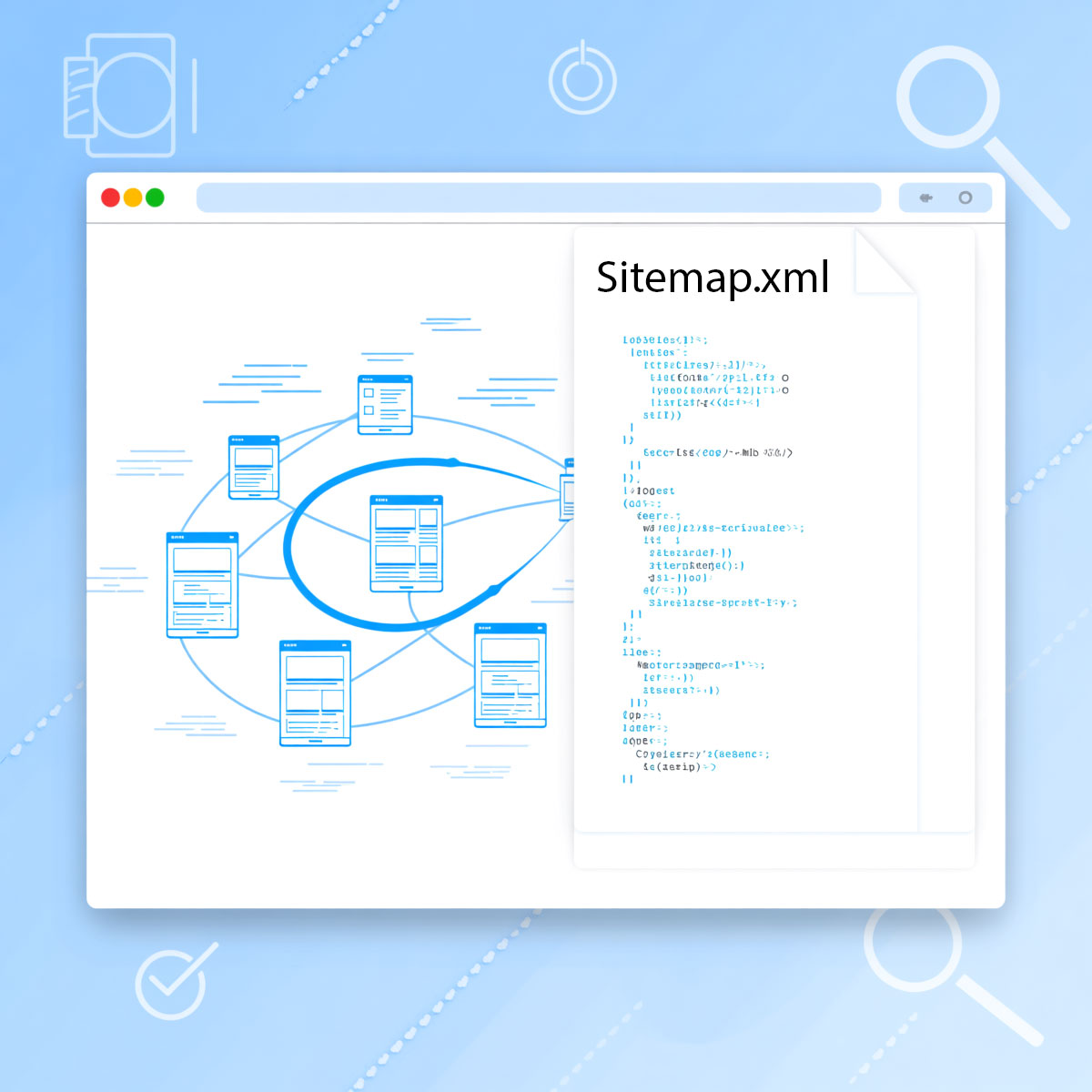
Show search engines how your site is structured
A well-optimized XML sitemap makes it easier for search engines to crawl deep pages, new content and important revenue-driving URLs that may be hidden behind complex navigation.
Why use an XML sitemap generator?
Search engines can discover pages through links, but an XML sitemap gives crawlers a precise, machine-readable map of your site. That means better coverage, faster indexing and more consistent rankings.
Improve crawl efficiency
Ensure search engines quickly find new pages, product listings, categories and blog posts, even when internal linking is not perfect.
Highlight priority URLs
Tell crawlers which sections of your domain matter most by assigning update frequency and priority hints inside your sitemap.xml file.
Support long-term SEO growth
As your site grows, a maintained XML sitemap keeps your content discoverable and helps you capture more organic traffic over time.
How XMLSitemap.org works
The process of creating an XML sitemap is simple. In just a few steps you can generate, upload and submit your sitemap to the major search engines.
Enter your website URL
Provide the full URL of your website’s home page. For the best results, use the canonical version you want ranked in search, such as https://www.your-domain.com.
Crawl and generate sitemap.xml
The XML sitemap generator crawls your internal links, collects indexable pages and builds a structured sitemap that follows the Sitemaps.org standard.
Upload and submit your sitemap
Save the file as sitemap.xml in the root of your domain, then submit it in Google Search Console and Bing Webmaster Tools to keep crawlers updated.
Ideal for any type of website
- • E-commerce stores with thousands of product URLs
- • Publishers and blogs with deep archives
- • SaaS and startup sites with marketing and help centers
- • Local business sites that need all locations indexed
- • New domains that want to speed up discovery and crawling
XML sitemap SEO best practices
A free XML sitemap generator is only the first step. Following these sitemap best practices will help you get the maximum SEO value from your sitemap.xml file.
Include only indexable, canonical URLs
Keep duplicate, redirected, noindexed and parameter-heavy URLs out of your XML sitemap. Focus on the clean, canonical versions that you want to rank in search.
Keep your sitemap file up to date
Regenerate your sitemap whenever you add, remove or significantly update content. An accurate sitemap helps crawlers understand that your site is active and worth revisiting.
Use XML sitemap index files for large sites
If you have more than 50,000 URLs, split them into multiple sitemap files and link them together with a sitemap index file to stay within search engine limits.
Link to your sitemap in robots.txt
Frequently asked questions about XML sitemap generators
The answers below address the most common questions from site owners who are creating or optimizing their first XML sitemap for SEO.